THE ESTABLISHED SETTING
inAlready inside
Researchers could study carnosine in tissues where the molecule was naturally present.
Chapter two · the question changes
For decades, carnosine was studied where it naturally occurs—inside the body. Then researchers began asking what it would mean to approach the same molecule from the outside.
Topical carnosine did not begin with an answer. It began with a change in perspective.
Follow the turn ↓
The same molecule.
A different scientific setting.
The turning point
THE ESTABLISHED SETTING
inResearchers could study carnosine in tissues where the molecule was naturally present.
THE TOPICAL QUESTION
onThe same molecule now met a different starting point: the surface of the skin.
The interest came from the contrast. A familiar molecule had entered an unfamiliar scientific setting. ↓
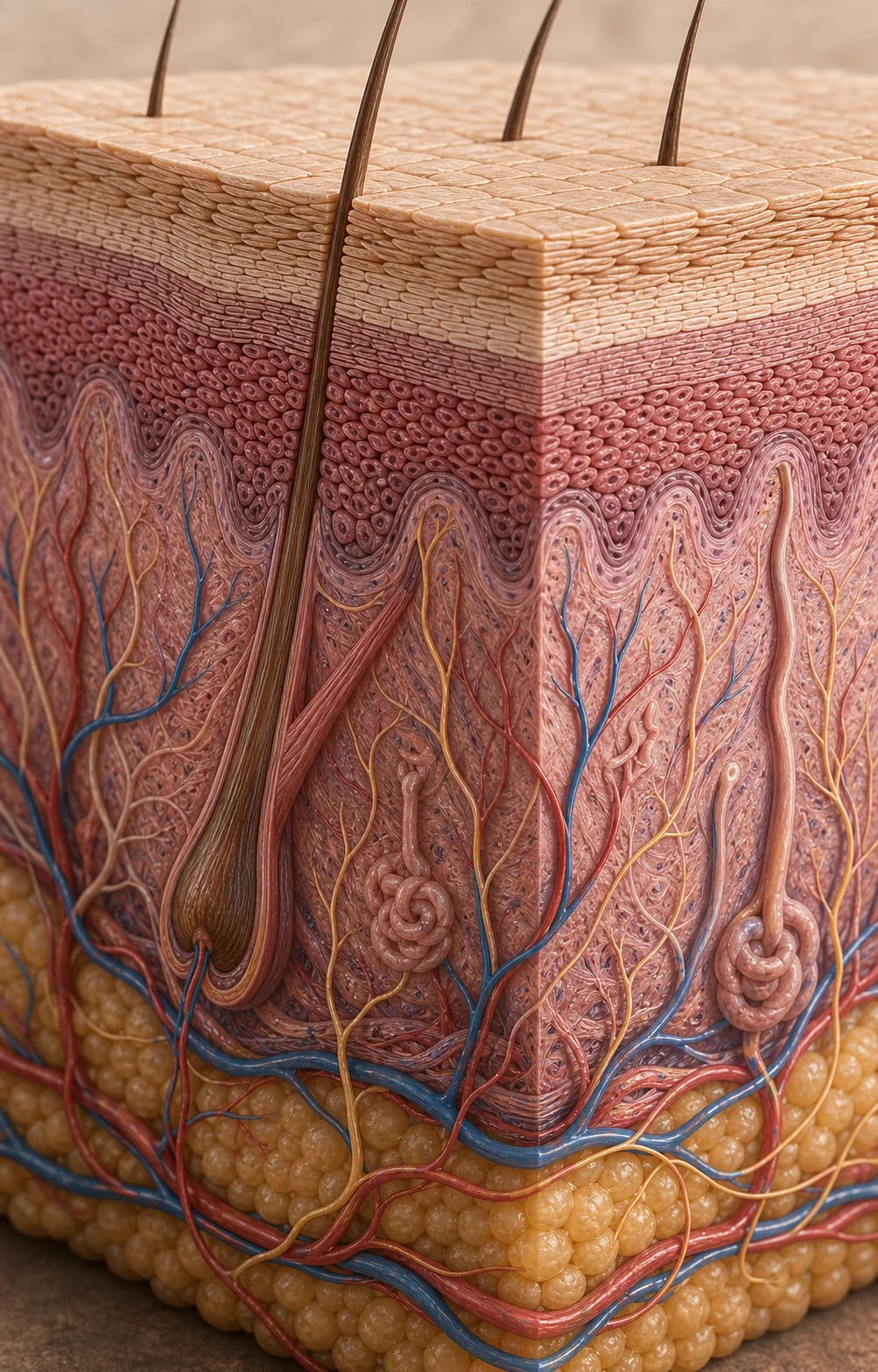
The boundary
Skin is not simply a surface. It is a living boundary between the body and the outside world.
That boundary changes what scientists need to ask. A molecule applied to skin is no longer being studied only for what it is, but for how it behaves in a new biological setting.
The possibility was enough to create a legitimate research question. It was not enough to provide the answer.
Why the question gained momentum
The topical question became more than an idea when several areas of science began to meet.
Decades of biochemical research gave scientists a reason to keep asking new questions about carnosine.
Topical application created a distinct setting that could not be understood from the molecule’s internal biology alone.
Formulation science, skin models and measurement methods made the question possible to examine.
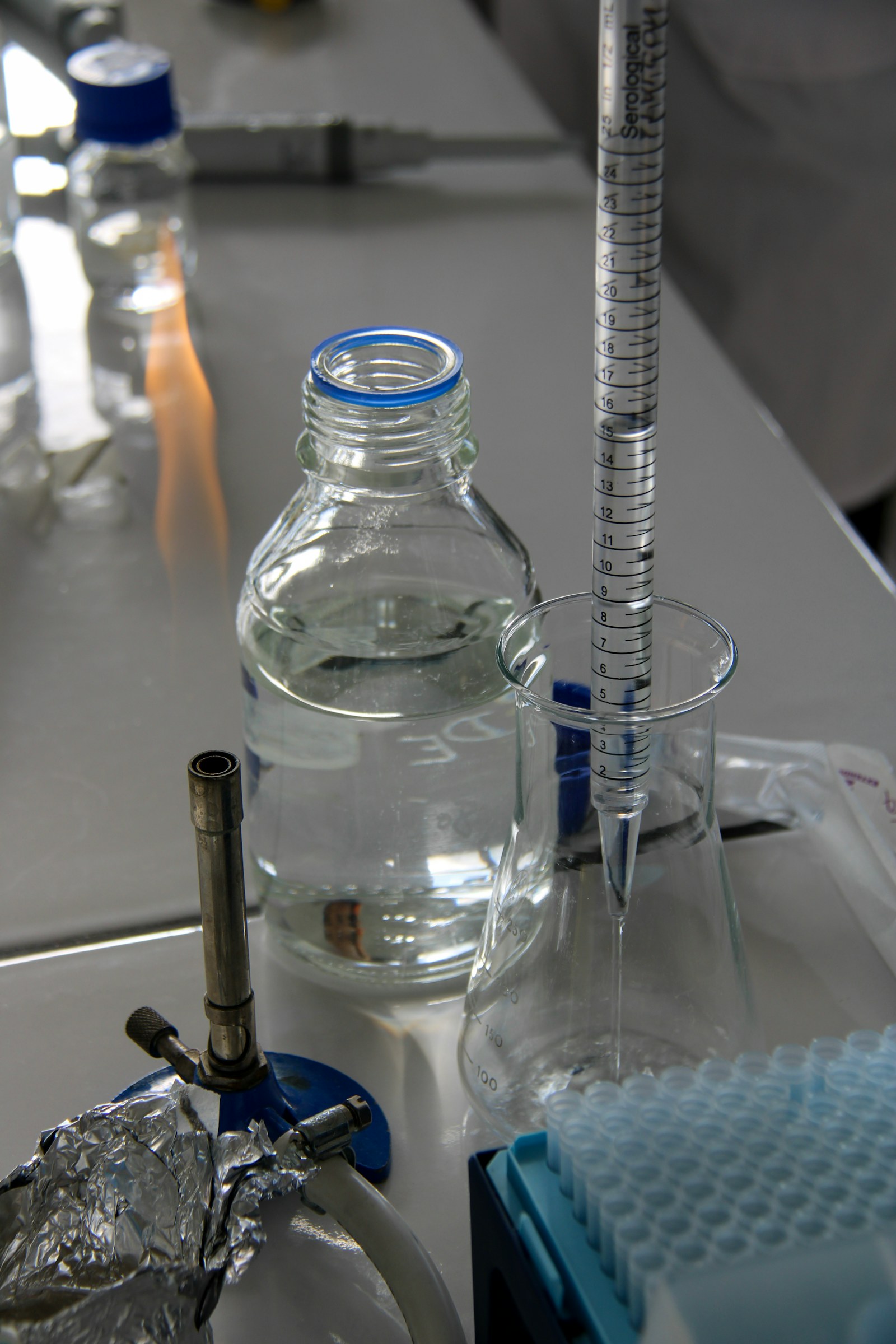
The evidence boundary
Scientific interest tells us why a question deserves study. It does not tell us what the final answer will be.
It can meanthe idea has a biological rationale and can be investigated.
It does not meana benefit, personal outcome or particular formulation has been demonstrated.
To move beyond interest, we have to look at what was actually tested—and what the results can genuinely support. ↓
The next question
A familiar molecule met a different route, a formidable biological boundary and new ways to investigate both.
But what does the evidence actually show?
That question begins the next chapter.
Continue to the evidence →