βA
Beta-alanine
One of carnosine’s two amino-acid building blocks.
The small molecule with a big research story
Your body has been making carnosine all along—especially in working muscle. Scientists have studied it for more than a century. Now a newer question is emerging: what changes when it is explored through the skin?
This is the calm, evidence-aware guide to what topical carnosine is, why it has attracted attention, and which questions science is still working through.

A different route. A fresh question.
What changes when carnosine is studied topically?
The discovery in 30 seconds
One of carnosine’s two amino-acid building blocks.
The second building block in this tiny molecular partnership.
A naturally occurring dipeptide found in several tissues, especially skeletal muscle.
An old molecule. A newer question.
Carnosine has been part of scientific discussion since the early twentieth century. What has changed is the range of questions researchers can ask—and the tools available to investigate them. Review the historical context ↗
EARLY DISCOVERY
A naturally occurring compound becomes a biochemical puzzle.
DECADES OF STUDY
Researchers examine buffering, reactive compounds and how carnosine is made and broken down.
THE TOPICAL CHAPTER
Skin models and formulations create a new line of enquiry: can carnosine be delivered locally, and how should that be measured?

That leads to the question at the heart of this guide:
what do we actually know about carnosine when it is applied topically—and what remains uncertain?
The topical question
Because delivery changes the question.
Carnosine is usually discussed in the context of the body, food or oral supplements. A topical formulation introduces a different research pathway: placing carnosine on the skin and studying what happens next.
That does not make every proposed outcome true. It makes formulation, skin interaction, measurement and study design especially important—and genuinely interesting to understand.
Consumed
Digestive environment
Systemic questions
Formulated as a gel
Placed on a defined area
Delivery and response studied
Three questions unlock the topic
Topical science begins with formulation, stability and interaction with the skin barrier—not with an assumed outcome.
A chemical marker, a skin model and a person’s reported experience are different kinds of evidence.
Findings from one ingredient combination, concentration or product cannot automatically be transferred to another.
Why scientists keep looking
Carnosine sits at the intersection of chemistry, physiology and formulation science. Each lens asks a different question; none should be mistaken for a guaranteed benefit.
How carnosine participates in acid–base balance inside certain tissues.
Explore the context →Why researchers study carnosine alongside glycation and reactive compounds.
See the evidence approach →How laboratory research examines carnosine in systems exposed to oxidative stress.
Ask the careful questions →How formulation and skin models help researchers investigate where an applied compound goes.
Review the pathway ↑A better way to read the science
Research spotlight
This small sample shows why study type matters more than an impressive headline.
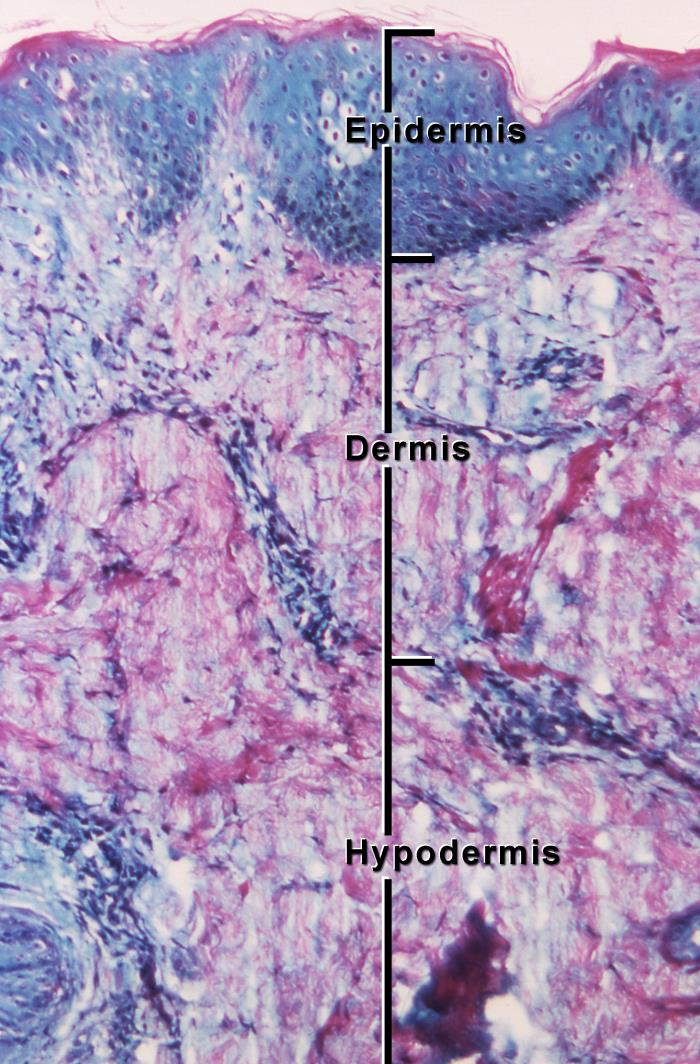
2018 · EX VIVOA carnosine solution and a carnosine-containing cream were examined in cultured skin tissue exposed to a glycation model.
Useful for mechanism and tissue observations; not a test of everyday outcomes in people.View on PubMed ↗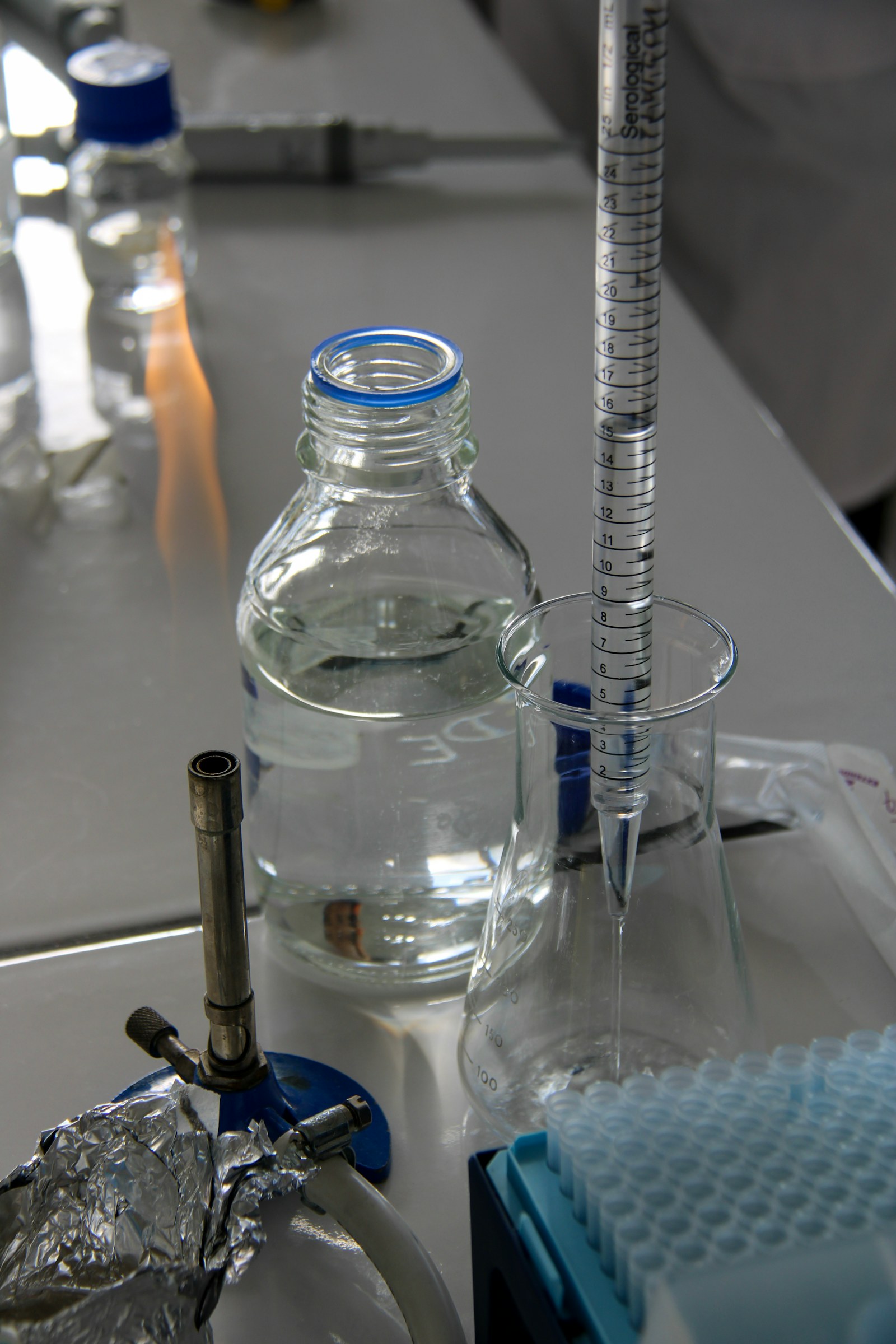 2023 · EX VIVO
Topically applied L-carnosine was investigated in human skin biopsies exposed to simulated sunlight.
A controlled model can isolate signals, but it cannot answer every real-world question.View on PubMed ↗ 2024 · FORMULATION SCIENCE
Researchers explored self-assembled carnosine structures, skin interaction and delivery using models and testing.
Promising formulation research is specific to what was studied; it is not proof for every topical gel.View on PubMed ↗The pattern to notice: topical carnosine research exists, but the evidence is varied, formulation-specific and still developing. That is exactly why it is worth understanding carefully.
Supporting photography: CDC Public Health Image Library; Nathan Rimoux and Egor Myznik via Unsplash. Images illustrate research settings and are not photographs from the cited studies.Choose your next question
There is no single “right” way through the guide. Follow the question that brought you here.
Scientific glassware photographed in a historic laboratory display. Photo: Egor Myznik / Unsplash.Your next question is the next page
The molecule is familiar to the body. The topical route is a newer research chapter. Understanding the difference begins with one simple step: learning what carnosine actually is.
Begin with the fundamentals →What is carnosine?
Carnosine is a dipeptide—a small compound made by joining two amino acids: beta-alanine and histidine.
Your body makes it naturally. It is found in higher concentrations in skeletal muscle, and is also present in other tissues. Carnosine occurs in animal-derived foods such as meat and fish.
Scientists have studied how carnosine behaves in laboratory systems and in the body. That work is still developing, and it does not automatically translate into a health outcome for an individual.
In plain English
It is one of many small compounds your body already knows how to make and use.
CAR · NO · SINE
Why people are interested
Research interest spans several areas. The picture is nuanced: much of the work is early, uses different methods, or cannot yet support everyday conclusions.
Researchers examine carnosine’s chemical properties and interactions in cells, tissues and model systems.
Studies look at carnosine levels in different tissues, diets, life stages and participant groups.
Diet, activity, age and individual biology may all be relevant. Their roles are still being investigated.
Q&A
There is no silly question here. Start with what matters to you.
Carnosine is a naturally occurring dipeptide. This guide discusses it as a substance found in the body and in foods—not as a medicine or a treatment.
The body makes carnosine from the amino acids beta-alanine and histidine. It is concentrated in certain tissues, especially skeletal muscle. It is also present in animal-derived foods.
No. A larger amount is not automatically more useful or more appropriate. Research settings, doses and populations vary, so findings cannot be generalised into a personal recommendation.
This site provides general education only. For advice that considers your health, medicines, pregnancy or breastfeeding, allergies, or other circumstances, speak with a qualified health professional.
Studies can use different designs, participant groups, measures and timeframes. A single result rarely settles a question; the overall quality and consistency of evidence matter.
A note about your health
This guide is not medical advice and does not diagnose, treat or recommend a product. If you are considering a supplement—or have questions about symptoms, medicines or an existing condition—talk with your GP, pharmacist or another appropriately qualified health professional.
Research & sources
We prefer primary research, reputable databases and clear limits. Evidence changes, so dates and study types matter.
Browse carnosine on PubMed ↗RESEARCH DATABASE
A searchable database of biomedical literature maintained by the US National Library of Medicine.
AUSTRALIAN HEALTH INFORMATION
Government-funded, quality-checked health information and guidance on finding professional help.
Visit Healthdirect ↗OUR READING CHECKLIST
We ask: Was it in people? How many? Compared with what? For how long? Who funded it? Has the result been repeated?
The Formulation
Formulation science brings the molecule, its delivery system and the limits of available evidence into one final question: what does a thoughtfully designed topical formulation actually involve?
Explore The Formulation →